Abstract Art Explained: How to Understand and Appreciate Abstract Paintings
January 7th, 2026
What Abstract Art Really Is and What It Is Not?
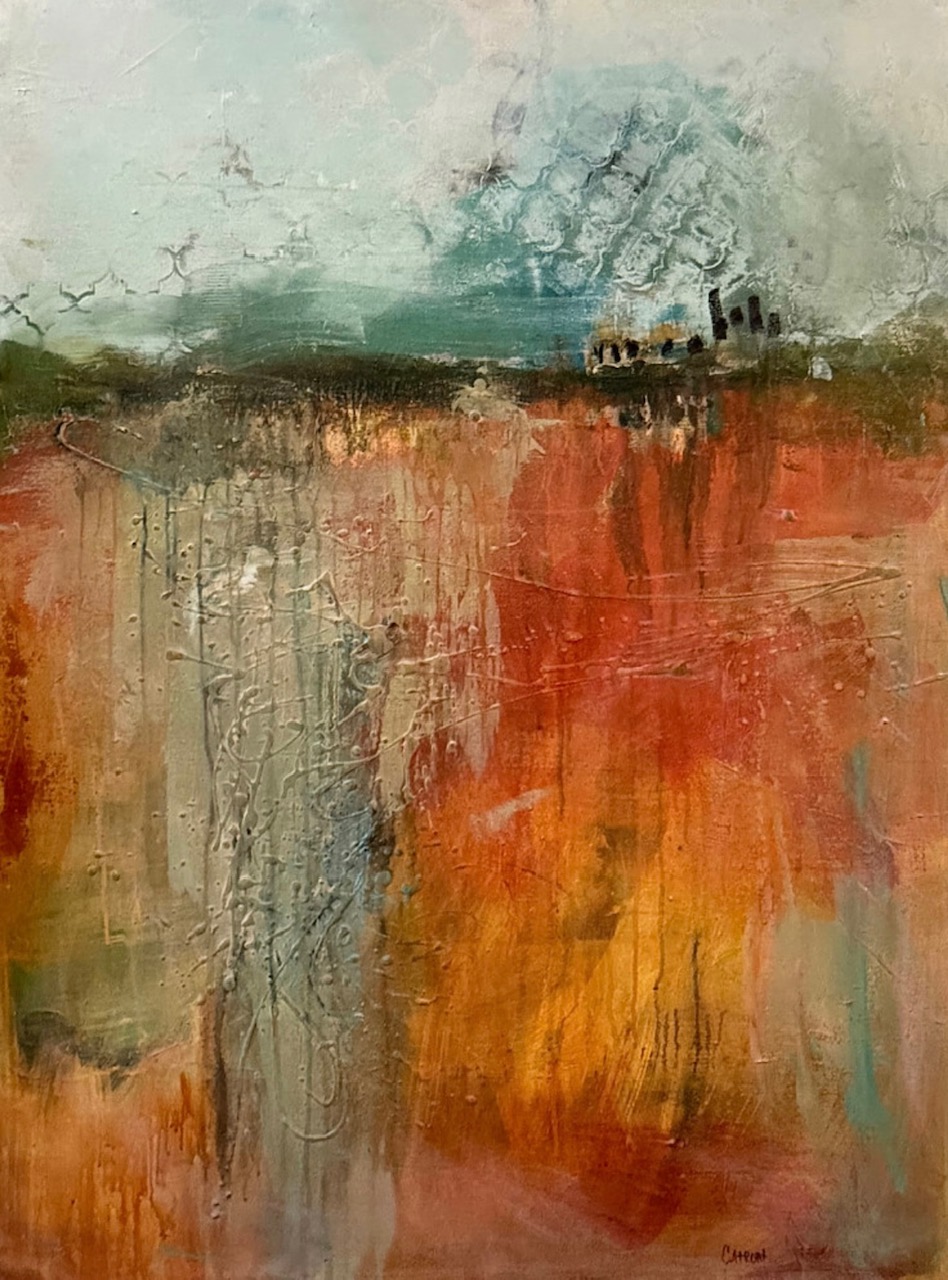
When we first encounter abstract art, it is common to search for familiar shapes or recognizable subjects. This instinct comes from centuries of art rooted in representation, where meaning was often tied to what could be clearly identified. Abstract art takes a different path. Rather than depicting the visible world directly, it focuses on form, color, line, texture, and movement as independent elements of expression. This does not mean that abstract paintings lack meaning. Instead, meaning emerges through visual relationships rather than narrative content. By stepping away from literal interpretation, we allow ourselves to engage with the artwork on a more intuitive level. Understanding this shift is often the first step toward appreciating abstract art without frustration or hesitation.
Abstract Art Is Not Random or Accidental
A common misconception is that abstract paintings are created without structure or intention. In reality, most abstract artists work with a clear sense of composition and balance, even when the final result appears spontaneous. Every decision—whether related to color placement, scale, or rhythm—plays a role in shaping the visual experience. Abstract art often reflects a deliberate process, one that prioritizes internal logic over external reference. When we recognize that these works are guided by artistic discipline rather than chance, our perception begins to change. We start to see patterns, tensions, and harmonies that reveal the depth behind the surface. This awareness helps us approach abstract art with curiosity rather than skepticism.
Understanding Abstraction as Visual Language
Abstract art functions as a visual language that communicates through sensation rather than description. Just as music can evoke emotion without words, abstract paintings convey atmosphere and mood through visual cues. Color can suggest warmth or restraint, movement can imply energy or stillness, and texture can create a sense of depth or immediacy. When we engage with abstract art in this way, we shift our focus from interpretation to experience. Instead of asking what the painting represents, we begin to ask how it affects us. This perspective allows abstract art to feel accessible, even for those encountering it for the first time. It encourages a more open and personal relationship with the work, free from the pressure of reaching a single conclusion.
How to Look at Abstract Paintings Without Overthinking?
When we stand in front of an abstract painting, our initial reaction often arrives before conscious thought. Color, scale, and movement register immediately, shaping a first impression that is both instinctive and revealing. Rather than dismissing this moment, we benefit from paying close attention to it. Abstract art invites us to observe how a painting makes us feel before we attempt to explain why. This first response is not superficial; it reflects how the visual elements interact with our senses. By allowing ourselves to linger in this early stage of viewing, we create space for a more honest and open engagement with the artwork, free from the pressure of analysis.
Letting the Eye Move Through the Composition
Abstract paintings often guide the viewer through subtle visual pathways created by line, texture, and contrast. As we look more closely, it helps to follow how our eye naturally moves across the surface. Some compositions encourage slow, meditative observation, while others generate energy through repetition or directional movement. Paying attention to these dynamics allows us to experience the painting as a whole rather than searching for isolated details. This process helps reduce the tendency to overthink and instead emphasizes presence. When we view abstract art as an evolving visual experience, our understanding deepens naturally without forcing interpretation.
Focusing on Elements Rather Than Explanation
One of the most effective ways to approach abstract art is to shift focus from meaning to elements. Color relationships, variations in texture, and the balance between openness and density all contribute to how a painting communicates. These elements function together, creating tension or harmony that can be felt even without a narrative. By concentrating on how these components interact, we develop a visual awareness that replaces the need for verbal explanation. This approach allows abstract paintings to reveal themselves gradually, rewarding attentive observation rather than immediate conclusions. Over time, this way of looking becomes intuitive, making abstract art feel increasingly accessible.
Appreciating Abstract Art as a Personal Experience
Appreciating abstract art rarely happens in a single moment. Much like developing a taste for music or literature, our relationship with abstract paintings deepens through repeated exposure and time spent in observation. When we allow ourselves to revisit a work, we often notice how new details emerge—subtle shifts in color, hidden textures, or compositional rhythms that were not immediately apparent. This gradual discovery is an essential part of understanding abstract art. Rather than seeking instant clarity, we benefit from giving each piece the time it needs to reveal itself. Over time, familiarity builds confidence, and what once felt distant or challenging begins to feel engaging and meaningful.
Recognizing the Role of Personal Context
Abstract art interacts strongly with personal experience. Our emotional state, memories, and environment influence how we respond to a painting, sometimes more than the artwork itself. This personal context is not a limitation; it is a vital component of appreciation. Two viewers may stand before the same abstract piece and come away with entirely different impressions, both of which are valid. By acknowledging this subjectivity, we free ourselves from the idea that abstract art must be understood in a universal way. Instead, it becomes a mirror that reflects our individual perspective at a particular moment. This openness encourages a more honest connection with the artwork, grounded in personal response rather than external interpretation.
Living With Abstract Art Over Time
One of the most rewarding ways to appreciate abstract paintings is to live with them. When an artwork becomes part of our daily environment, its presence evolves alongside us. A piece that initially felt subtle may grow more powerful, while a bold composition may reveal quieter moments upon repeated viewing. Abstract art has a unique ability to adapt to changing surroundings and moods, offering different experiences at different times. This ongoing interaction transforms appreciation into a relationship, where understanding develops naturally through daily engagement. Over time, the artwork becomes less about explanation and more about familiarity and resonance.