How to Buy Original Art as a Gift?
January 28th, 2026
Understanding Why Original Art Makes a Meaningful Gift
When we choose to give original art as a gift, we are offering something that carries meaning beyond its physical form. Unlike mass-produced objects, an original artwork reflects intention, individuality, and thoughtfulness. It becomes a personal gesture that communicates care and attention to the recipient’s inner world. Art has the ability to connect emotionally, often resonating in ways that words cannot. By gifting an original piece, we acknowledge the recipient’s taste, curiosity, or appreciation for beauty, even if they do not actively collect art themselves. This emotional layer is what makes original art a lasting and memorable gift, one that continues to speak long after the moment it is given.
Original Art as a Personal and Lasting Choice
One of the defining qualities of original art is its uniqueness. When we give an original artwork, we are not giving something that can be easily replaced or replicated. This sense of singularity adds depth to the gesture, making the gift feel intentional rather than convenient. Original art often becomes part of someone’s daily environment, shaping the atmosphere of a home or workspace over time. As the recipient lives with the piece, its presence can gain new meaning through changing moods, experiences, and surroundings. This evolving relationship transforms the artwork into more than a decorative object; it becomes a personal reference point that grows in significance.
Moving Beyond Traditional Gift Expectations
Many people hesitate to consider art as a gift because it feels unconventional or unfamiliar. However, this is precisely what gives original art its strength as a present. It steps outside predictable expectations and offers something that feels considered and distinctive. We do not need to be experts to recognize when a piece feels right for someone. Art allows us to move away from trends and temporary appeal, focusing instead on authenticity and expression. By choosing original art, we give a gift that stands apart from seasonal items or generic solutions, offering a sense of permanence and character that few other gifts can provide.
Choosing Art That Feels Personal Without Overthinking
When we buy original art as a gift, one of the most helpful starting points is simply paying attention. The way someone arranges their home, the colors they gravitate toward, or the objects they choose to keep around them often reveal more about their taste than direct questions. We do not need to search for exact preferences; instead, we look for patterns that suggest what feels comfortable and familiar to the recipient. This approach removes pressure and allows the selection process to feel intuitive rather than analytical. By observing everyday details, we gain quiet confidence that the artwork we choose will resonate naturally.
Balancing Personal Meaning With Visual Openness
Choosing art for someone else does not mean finding a piece that tells a specific story. In many cases, the most successful gifts are artworks that leave room for interpretation. Abstract forms, subtle figurative elements, or calm landscapes often allow the recipient to form their own connection over time. We aim to balance personal relevance with visual openness, selecting works that feel engaging without being overly prescriptive. This flexibility helps ensure that the artwork can adapt to different moods, spaces, and experiences, making it easier for the recipient to integrate the piece into their life.
Considering Space Without Limiting Expression
Thinking about where an artwork might live is a practical step that supports confident decision-making. Size, orientation, and overall tone play a role in how comfortably a piece fits into a space, but these considerations should guide rather than restrict us. We do not need to match art perfectly to an existing interior. Instead, we look for harmony between the artwork and the environment it may inhabit. Art often adds character to a space rather than blending into it, and this contrast can be part of its appeal. By keeping spatial awareness in mind without overcomplicating it, we make choices that feel thoughtful and natural.
Trusting Intuition as a Valid Guide
Perhaps the most important part of choosing original art as a gift is learning to trust our intuition. When a piece consistently draws our attention or evokes a sense of rightness, that reaction deserves consideration. We often recognize meaningful connections before we can articulate them. Allowing intuition to play a role does not mean acting impulsively; it means acknowledging that art communicates on a level beyond logic. By trusting this process, we move away from fear of making the wrong choice and toward confidence in giving a gift that feels genuine and considered.
Making the Purchase Confidently and Thoughtfully
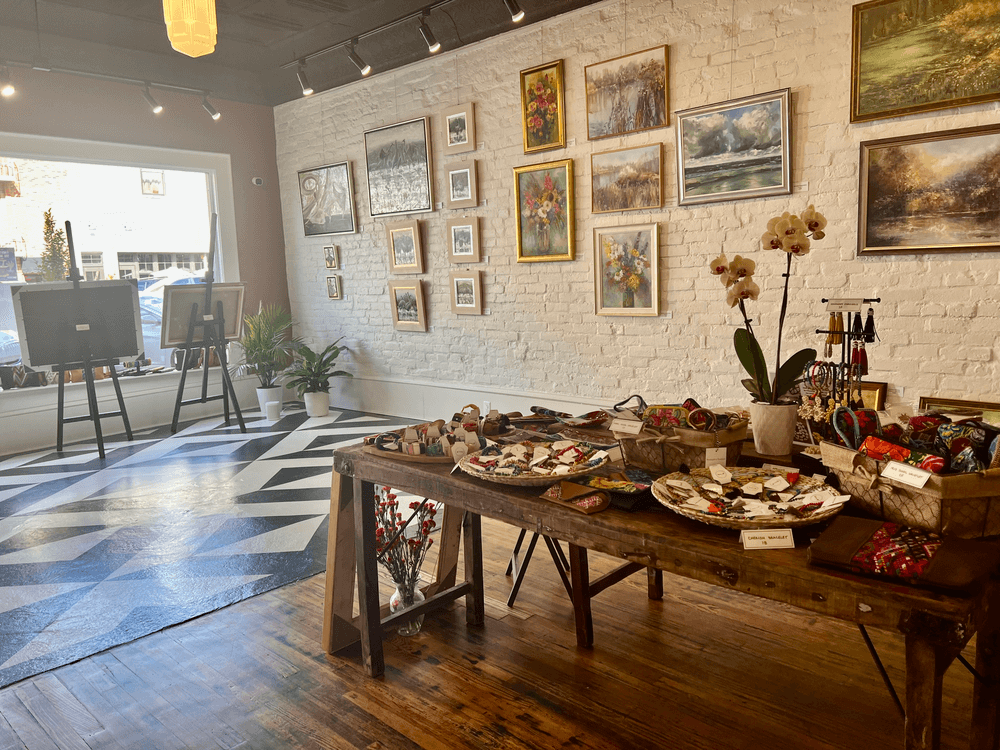
When we decide to purchase original art as a gift, the source plays a central role in how confident we feel throughout the process. Buying from a reputable gallery offers reassurance that the artwork is authentic, carefully selected, and presented with context. Galleries provide insight into the artist’s background, the medium, and the intention behind the work, allowing us to make informed choices without feeling overwhelmed. This guidance is especially valuable when buying art for someone else, as it removes uncertainty and supports thoughtful decision-making. A trusted gallery also ensures transparency, which contributes to a sense of security and confidence at the moment of purchase.
Understanding Presentation and Documentation
Presentation matters when gifting original art, as it shapes the recipient’s first experience with the piece. Framing, packaging, and accompanying documentation all contribute to how the artwork is perceived. Certificates of authenticity, artist information, or brief descriptions help communicate the value and uniqueness of the gift. These elements do not need to be elaborate, but they should feel intentional and complete. By paying attention to how the artwork is presented, we reinforce the idea that the gift was chosen with care. This attention to detail enhances the emotional impact of giving original art and ensures that the recipient understands its significance from the very beginning.
Allowing the Artwork to Speak for Itself
Once the purchase is made, the final step is often the simplest: allowing the artwork to speak. We do not need to justify our choice with extensive explanations or reasoning. Art invites personal interpretation, and gifting it creates an opportunity for conversation rather than instruction. By trusting the artwork’s ability to communicate, we give the recipient the freedom to form their own connection. This openness makes the gift feel less prescriptive and more personal. In this way, the act of giving original art becomes an experience shared over time, rather than a single moment.
Confidence Comes From Thoughtful Intent
Confidence in buying original art as a gift does not come from knowing everything about art; it comes from thoughtful intent. When we approach the process with care, curiosity, and respect for both the artwork and the recipient, the result feels genuine. Every step—from choosing a gallery to considering presentation—supports a decision rooted in meaning rather than doubt. By focusing on intention rather than perfection, we create a gifting experience that feels natural, memorable, and deeply human.