How to Start an Art Collection Without Being an Expert
January 7th, 2026

Understanding What It Means to Collect Art Today
When we talk about starting an art collection today, we are no longer referring to a closed world reserved for specialists, critics, or long-established collectors. The art market has changed significantly over the past decades, becoming more open, transparent, and approachable for people who are simply curious and willing to explore. Access to galleries, online exhibitions, and educational resources has made it possible for anyone to begin collecting art without formal training or deep historical knowledge. We see more first-time buyers entering the art world with genuine interest rather than expertise, and this shift has reshaped how art is viewed, discussed, and purchased. Collecting art today is less about following rigid rules and more about engaging with works that resonate on a personal level while gradually learning through experience.
Redefining What It Means to Be an Art Collector
Many people hesitate to call themselves art collectors because they believe the title must be earned through years of study or substantial financial investment. In reality, collecting art simply means making intentional choices about the works we bring into our lives. Whether someone owns one painting or several pieces acquired over time, the act of collecting begins the moment we decide that art matters enough to live with. We believe it is important to remove the pressure of labels and focus instead on the relationship we build with art. A collection does not need to be large, expensive, or curated according to trends to be meaningful. It needs to reflect curiosity, appreciation, and a willingness to engage with artistic expression as part of everyday life.
Enjoyment and Value Can Coexist
One of the most common misconceptions among new collectors is the belief that art must be chosen either for pure enjoyment or for potential value, as if the two approaches were mutually exclusive. In practice, many collections evolve naturally from a place of personal connection and gradually gain depth and coherence over time. When we begin collecting with openness and attention, we start to notice how certain artists, themes, or techniques consistently draw our interest. This awareness helps shape future decisions without forcing them. Understanding the contemporary art landscape allows us to appreciate that value is not defined solely by price or recognition, but also by relevance, quality, and longevity. By approaching art collecting as an ongoing process rather than a single decision, we create space for both enjoyment and thoughtful growth.
Learning to Trust Personal Taste While Building Confidence
When we begin collecting art, one of the most valuable skills we can develop is the ability to observe without rushing to conclusions. Trusting personal taste does not mean relying on instinct alone; it grows through repeated exposure to different styles, mediums, and artistic approaches. By spending time with a wide range of artworks, we start to notice patterns in what captures our attention. Certain color palettes may feel more engaging, specific subjects may linger in our thoughts, or particular techniques may consistently draw us closer. This process is not about defining preferences quickly, but about allowing them to surface naturally. As our visual awareness expands, confidence begins to replace uncertainty, making each new encounter with art feel more familiar and less intimidating.
Understanding Emotional Response as a Guide
Art has a unique ability to communicate without words, and our emotional reactions often provide valuable insight into what truly resonates with us. When we stand in front of a piece and feel drawn to it, that response deserves attention. Learning to trust personal taste means recognizing that emotional connection is not accidental; it reflects how an artwork interacts with our experiences, memories, and perspective. Rather than questioning whether a piece is “important” or “correct,” we benefit more from asking ourselves why it feels compelling. Over time, these reflections help us understand our own visual language. By honoring emotional response as part of the decision-making process, we allow collecting art to feel personal rather than analytical, which strengthens confidence with every thoughtful choice.
Considering Space, Scale, and Daily Interaction
Confidence in art collecting also grows when we consider how artwork functions within our everyday environment. Art is not meant to exist in isolation; it becomes part of the spaces we live and work in. Paying attention to scale, proportion, and placement helps us imagine how a piece will interact with its surroundings. A painting that feels powerful in a gallery may create a different atmosphere at home, and understanding this relationship allows us to make choices that feel intentional. As we gain experience, we start to visualize how art contributes to mood, balance, and personal expression within a space. This practical awareness complements emotional response, helping us feel more assured that our selections are thoughtful and well-suited to our lives.
Making Thoughtful First Purchases and Growing Over Time
When we reach the stage of making a first art purchase, the experience can feel both exciting and uncertain. This moment often carries unnecessary pressure, as many new collectors believe their initial choice must define the direction of their entire collection. In reality, the first purchase is simply a starting point. What matters most is approaching the decision with intention rather than urgency. Taking time to understand why a particular artwork feels right allows us to connect with it on a deeper level. Whether drawn by composition, subject, or atmosphere, recognizing the reasons behind our interest helps ensure that the purchase feels meaningful rather than impulsive. By focusing on connection instead of expectation, we set a foundation that encourages thoughtful collecting rather than hesitation.
The Value of Buying From Trusted Sources
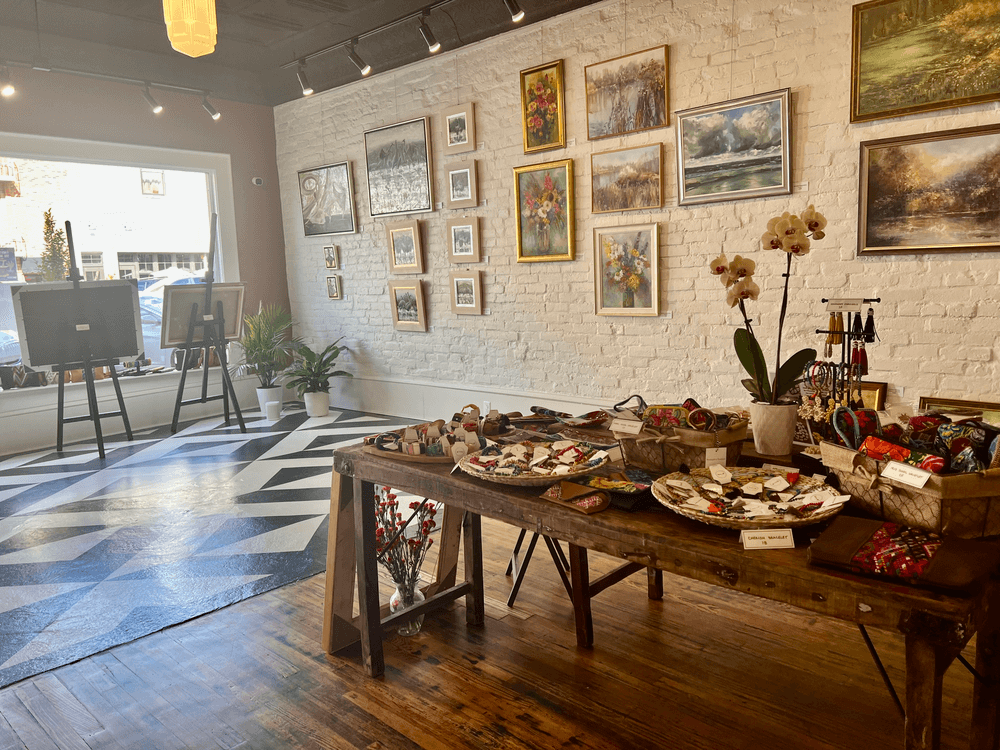
As we begin acquiring art, the source matters as much as the artwork itself. Purchasing from reputable galleries or established artists provides a sense of confidence and clarity that is especially important at the early stages of collecting. Galleries offer context, guidance, and transparency, helping collectors understand the background of a piece and the intentions behind it. This relationship allows us to ask questions, explore options, and learn without pressure. Over time, engaging with trusted sources helps us refine our taste and develop a deeper understanding of the art market. This informed approach supports long-term confidence and ensures that each acquisition feels considered and secure, rather than uncertain or overwhelming.
Allowing a Collection to Develop Naturally
An art collection does not need to follow a strict theme or direction from the beginning. In fact, many compelling collections are shaped organically over time. As we live with art and continue to explore new works, our preferences often evolve. What once felt unfamiliar may later become intriguing, while early favorites may gain new significance as our perspective expands. Allowing a collection to grow naturally removes the pressure to define it too quickly. Each piece becomes part of a broader narrative, reflecting moments of discovery rather than adherence to a fixed plan. This openness encourages exploration and makes collecting art an ongoing, rewarding experience rather than a finite goal.