Original vs. Reproduction vs. Print: What You Need to Know Before Buying Art
February 17th, 2026
Walking into an art gallery or browsing online collections can feel overwhelming when you’re ready to purchase your first piece of art. The terminology alone—original, reproduction, limited edition print, giclee—might seem designed to confuse rather than clarify. We’ve all been there, standing before a beautiful image wondering: What exactly am I buying, and is it worth the price?
Understanding the differences between originals, reproductions, and prints isn’t just about getting good value for your money. It’s about knowing what you’re bringing into your home and making informed decisions that align with your goals as a collector, decorator, or art enthusiast. Whether you’re looking to invest, beautify your space, or simply own something that speaks to you, clarity about these distinctions empowers you to choose wisely.
The Original Artwork: One of a Kind
When we talk about an original artwork, we’re referring to the unique piece created directly by the artist’s hand. This is the painting, drawing, or sculpture that emerged from the artist’s studio—the first and only version that exists in that exact form.
What Makes an Original Original
An original painting means the artist applied paint to canvas, wood panel, or paper using brushes, palette knives, or other tools. Every brushstroke, every layer of color, every texture exists only in this single piece. If you run your hand near the surface (though please don’t touch!), you might feel the dimensionality of dried paint, the ridges where thick impasto creates relief, the subtle variations in texture.
This uniqueness extends beyond the physical object. An original carries the artist’s direct creative energy, the decisions made in real-time, the happy accidents that became intentional features. No two original paintings are exactly alike, even if an artist paints the same subject multiple times.
Investment and Value Considerations
Original artworks typically command the highest prices, and for good reason. You’re purchasing something that cannot be exactly replicated. As an artist’s reputation grows, the value of their original works often appreciates. However, investment potential shouldn’t be your only consideration—emotional connection and aesthetic enjoyment matter tremendously.
Key advantages of owning originals:
- Uniqueness: You own something that exists nowhere else in the world
- Artistic integrity: Direct connection to the artist’s creative process
- Potential appreciation: Value may increase over time, especially for emerging artists
- Provenance: Clear ownership history adds to the work’s story and value
- Tangible craftsmanship: Physical texture and dimensionality that reproductions cannot capture
Reproductions: High-Quality Copies
Reproductions occupy an interesting middle ground in the art world. These are copies of original artworks, created with varying degrees of quality and authenticity, designed to make famous or beloved images accessible to broader audiences.
Types of Reproductions
Not all reproductions are created equal. Hand-painted reproductions involve skilled artists recreating famous works brushstroke by brushstroke. While these aren’t originals, they do involve genuine artistic skill and offer some textural qualities similar to originals. Museums often sell these reproductions of their most famous holdings.
Photographic reproductions represent another category—high-quality photographs of original artworks, sometimes enhanced to approximate the texture of the original. These range from basic posters to more sophisticated reproductions on canvas that attempt to mimic the look and feel of painted surfaces.
When Reproductions Make Sense
Reproductions serve legitimate purposes. Perhaps you adore Van Gogh’s “Starry Night” but lack the millions needed to acquire the original from MoMA. A quality reproduction lets you enjoy the composition and color palette daily. Similarly, if you’re decorating multiple spaces and want visual cohesion, reproductions offer an affordable solution.
However, we should be honest about what reproductions are: they’re decorative objects rather than collectible art. They won’t appreciate in value, and they lack the unique qualities that make original art special. That doesn’t make them wrong choices—just different ones with different purposes.
Fine Art Prints: Limited Editions and Giclées
Fine art prints represent a distinct category that many collectors find appealing. Unlike simple reproductions, legitimate fine art prints are created by or authorized by the artist and often produced in limited quantities.
Understanding Print Techniques
Several printing methods exist in the fine art world, each with distinct characteristics:
- Giclee prints: High-quality inkjet prints using archival inks on fine art paper or canvas, offering excellent color accuracy and longevity
- Lithographs: Traditional printing method where the image is drawn on stone or metal plates and transferred to paper
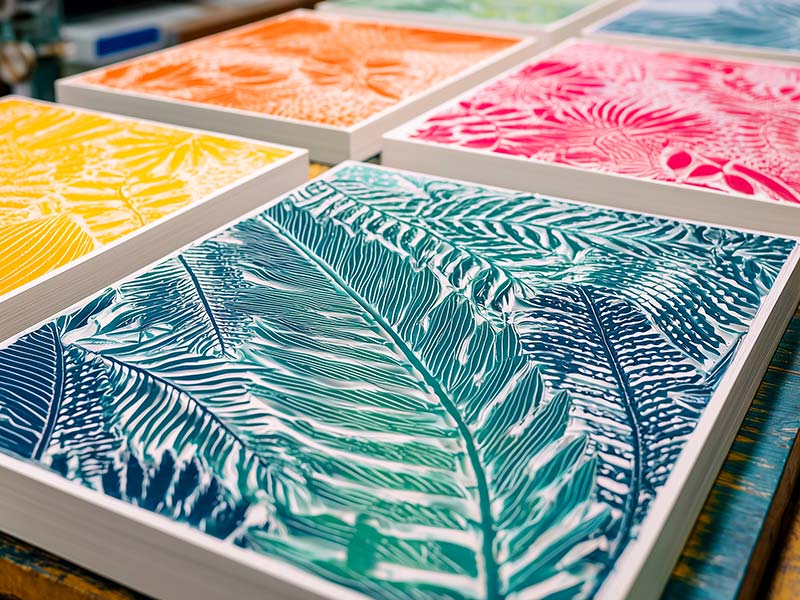
- Serigraphs (screen prints): Each color is applied through separate screens, creating vibrant, layered images
- Etchings and engravings: Intaglio processes where the image is incised into a plate and then printed
The Significance of Edition Numbers
When you see a print marked “25/100,” you’re looking at the 25th print in a limited edition of 100. Limited editions make prints more collectible because scarcity creates value. After printing the designated number, the artist typically destroys or marks the printing plate to prevent additional copies.
Artist proofs (marked “A/P” or “P/A”) are additional prints outside the numbered edition, traditionally reserved for the artist’s personal use. These are often considered more desirable by collectors.
Assessing Print Quality and Value
Quality fine art prints can be excellent investments, especially from established or emerging artists. They offer several advantages:
Benefits of collecting fine art prints:
- Affordability: Significantly less expensive than originals while still being legitimate art pieces
- Artist involvement: Created with the artist’s approval and often signed by them
- Limited availability: Edition numbers create genuine scarcity
- Quality materials: Archival papers and inks ensure longevity
- Accessibility: Own work by artists whose originals are beyond your budget
However, unlimited or open edition prints—those produced without quantity restrictions—function more like reproductions. They’re decorative rather than collectible, and their value remains static or decreases over time.
Making Your Decision: Questions to Ask
Before purchasing any artwork, whether original, reproduction, or print, arm yourself with the right questions. This protects your investment and ensures you’re getting what you expect.
Essential Questions for Sellers
Start by asking about authenticity. For originals, request documentation of provenance—the artwork’s ownership history. For prints, ask about edition size, whether it’s signed and numbered, and what printing technique was used. Don’t be shy about asking for a certificate of authenticity; reputable galleries provide these automatically.
Ask about the materials used. Archival-quality papers and inks matter for longevity. A beautiful print on cheap paper will fade and deteriorate within years, while archival materials can last centuries. For originals, inquire about the paint quality and canvas preparation—professional-grade materials indicate serious craftsmanship.
Considering Your Own Needs
Honestly assess why you’re buying art. If you’re seeking investment potential, focus on originals or limited edition prints from artists with growing reputations. If you want to beautify your space affordably, quality reproductions or open edition prints might suit your needs perfectly.
Think about your budget realistically. Stretching financially for an original from an emerging artist you love might prove more rewarding than buying multiple reproductions. Conversely, if you’re furnishing your first apartment, reproductions let you surround yourself with images you enjoy while you save for future original purchases.
Consider longevity too. Will this piece matter to you in five or ten years? Originals and limited edition prints tend to maintain their appeal because they’re genuine art objects with inherent value beyond their decorative function.
The art market offers something for everyone, regardless of budget or collecting goals. Understanding the distinctions between originals, reproductions, and prints empowers you to make choices aligned with your values and aspirations. An original painting connects you directly to an artist’s creative vision in a way nothing else can. A limited edition print offers collectibility and quality at more accessible prices. Even a well-chosen reproduction can bring daily joy and visual interest to your environment.
What matters most is that you buy thoughtfully, ask questions, and choose pieces that genuinely speak to you. Whether you’re starting a serious collection or simply want beautiful images on your walls, knowledge transforms purchasing art from an intimidating mystery into an exciting, rewarding experience. Trust your instincts, do your research, and remember that the best art purchase is one that makes you happy every time you see it.