Spring Refresh: How Original Art Can Transform Your Home Decor
February 17th, 2026
Spring arrives with an irresistible urge to refresh our living spaces. We open windows to let fresh air circulate, swap heavy textiles for lighter fabrics, and suddenly notice how stale our surroundings have become during winter’s hibernation. While we often think of spring cleaning in terms of decluttering and deep cleaning, the most transformative changes come from thoughtfully adding new elements—particularly original art.
Original artwork possesses a unique power to reshape not just how a room looks, but how it feels. Unlike mass-produced prints or generic wall decor, original pieces carry energy and authenticity that ripple throughout a space. They become conversation starters, mood setters, and personal statements about who we are and what we value. This spring, instead of simply rearranging furniture or buying new throw pillows, consider how original art might breathe entirely new life into your home.
The Psychology of Art in Living Spaces
We underestimate how profoundly our environments affect our mental and emotional states. The colors we see, the images we encounter daily, and the overall aesthetic of our spaces shape our moods, energy levels, and even our productivity.
Color’s Emotional Impact
Original paintings introduce color in ways that manufactured decor items simply cannot match. When an artist applies paint to canvas, they create depth, variation, and subtlety that printed images lack. A blue painting isn’t just blue—it contains multiple shades, undertones, and textural variations that interact with your room’s lighting throughout the day.
Spring naturally calls for lighter, brighter palettes. Soft greens evoke renewal and growth, connecting us to nature awakening outside our windows. Gentle yellows and warm whites bring sunshine indoors, lifting spirits after winter’s darkness. Blush pinks and coral tones add warmth without heaviness. When these colors come from original artwork rather than flat prints, they create living, breathing focal points that change with natural light.
Creating Emotional Anchors
Original art functions as an emotional anchor in your home. Unlike furniture or accessories that serve primarily functional purposes, art exists purely to be experienced. Each time you pass a painting you love, it offers a small moment of joy, contemplation, or inspiration. These micro-moments accumulate, subtly but significantly improving your quality of life at home.
Key psychological benefits of displaying original art:
- Stress reduction: Beautiful, calming artwork lowers cortisol levels and promotes relaxation
- Inspiration and creativity: Surrounding yourself with creativity encourages your own creative thinking
- Personal identity: Your art choices reflect and reinforce your values and personality
- Conversation and connection: Art gives guests natural conversation starting points
- Mindfulness: Taking moments to truly see your art pulls you into the present
Choosing Art That Transforms Specific Spaces
Different rooms serve different purposes, and the art you choose should enhance each space’s unique function and atmosphere. Spring refreshes offer perfect opportunities to reconsider what each room needs.
Living Rooms: Setting the Tone
Your living room typically welcomes both family and guests, making it ideal for statement pieces that reflect your personality while remaining accessible to diverse tastes. Spring calls for artwork that feels fresh and inviting without being overly seasonal—you want pieces you’ll love year-round.
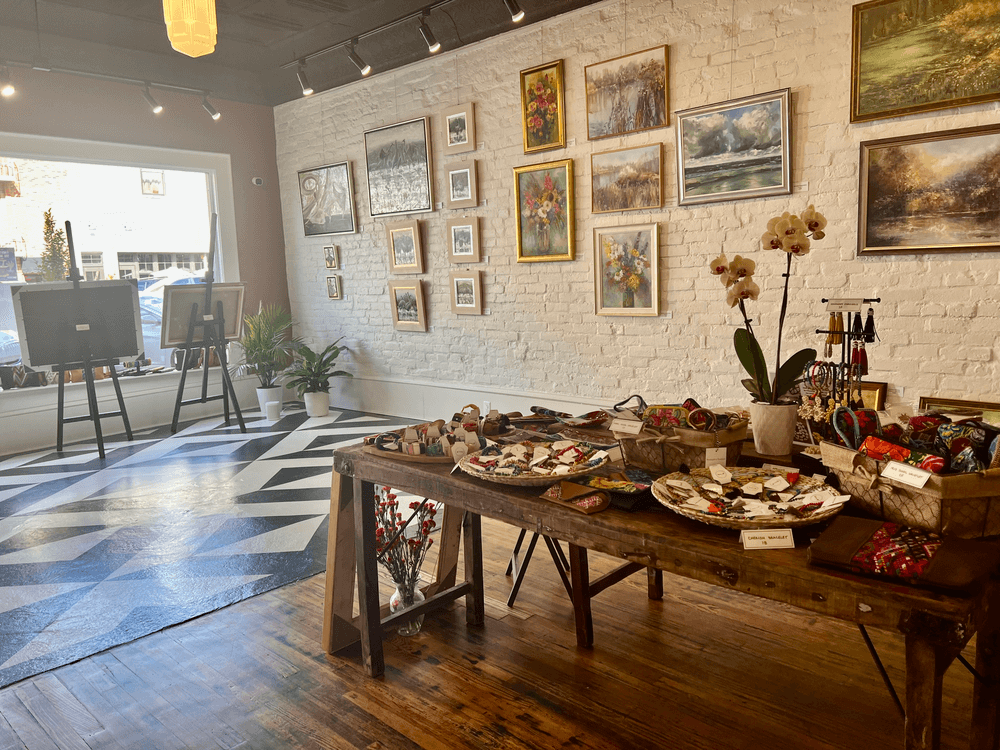
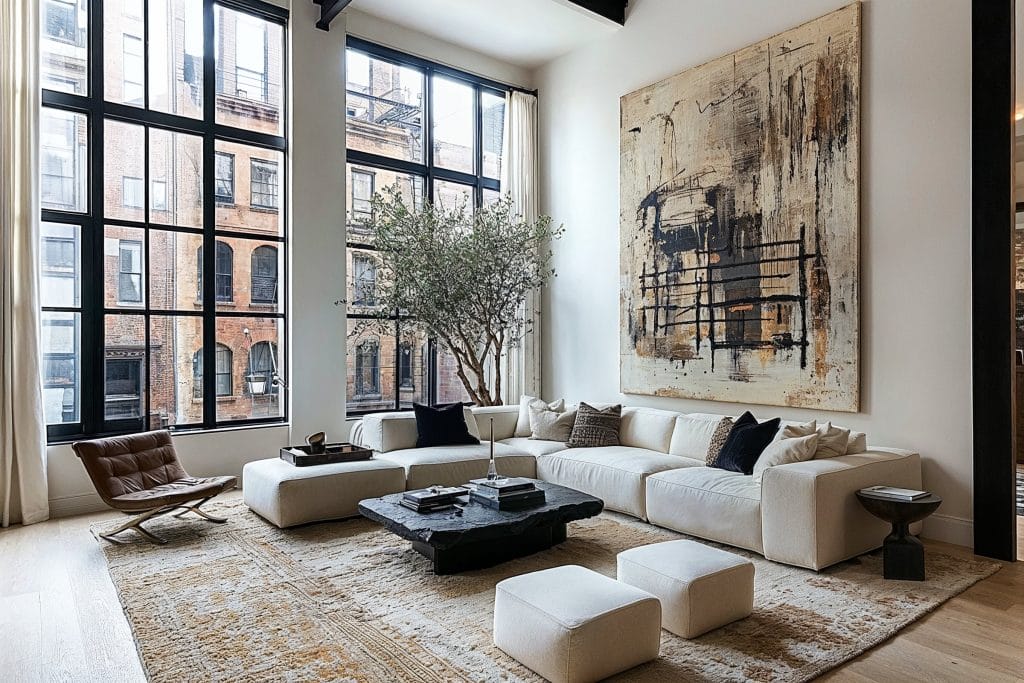
Consider scale carefully. A large original painting above your sofa creates instant impact and grounds the seating area. Conversely, a gallery wall of smaller originals adds visual interest and personality. Mix painting styles and sizes, but maintain some unifying element—perhaps a color palette or theme—to create cohesion rather than chaos.
Landscapes and nature-inspired abstracts work beautifully in living spaces during spring. They connect indoor and outdoor environments, bringing nature’s renewal into your daily life. Figurative work can be equally effective if it evokes the mood you want—perhaps dancers suggesting joy and movement, or contemplative portraits creating intimate, thoughtful atmosphere.
Bedrooms: Personal Sanctuaries
Bedrooms demand different considerations than public spaces. Here, you’re choosing art for yourself alone, creating an environment that promotes rest, romance, or whatever you need from your most private space.
Spring bedroom refreshes benefit from calming, soothing artwork. Soft color palettes in blues, greens, and neutrals promote relaxation. Avoid overly stimulating subjects or aggressive colors that might interfere with sleep. Abstract pieces often work particularly well in bedrooms—they’re engaging without being demanding, allowing your mind to wander peacefully.
Consider artwork placement carefully. The wall opposite your bed offers the first and last image you see each day—make it something meaningful and beautiful. Avoid hanging art directly above your bed if you’re concerned about safety, opting instead for lighter pieces or gallery walls on adjacent walls.
Kitchens and Dining Areas: Celebrating Life’s Pleasures
These gathering spaces benefit from art that celebrates abundance, nourishment, and togetherness. Still life paintings featuring fruits, flowers, or food connect perfectly with these rooms’ purposes. Vibrant colors stimulate appetite and conversation, making kitchens and dining rooms excellent places for bolder artistic choices.
Don’t shy away from original art in these spaces due to practical concerns. Properly framed and placed away from direct steam or splatter, paintings thrive in kitchens. Glass or acrylic glazing protects artwork while allowing you to enjoy it in the heart of your home.
Practical Considerations for Spring Art Installation
Enthusiasm for new art sometimes overshadows practical realities. Before purchasing or hanging original pieces, consider several important factors that ensure your investment remains beautiful and protected.
Lighting: Making Art Shine
Natural light beautifully illuminates original artwork, but direct sunlight poses serious risks. UV rays fade colors over time, potentially damaging your investment. Position art on walls that receive indirect natural light, or use UV-protective glazing for particularly vulnerable pieces.
Artificial lighting matters equally. Picture lights mounted above frames highlight texture and dimension that make original art special. Track lighting offers flexibility, letting you adjust as you rearrange or add pieces. Avoid placing art directly opposite bright windows, which creates glare and makes viewing difficult.
Lighting best practices:
- Use LED bulbs that emit minimal UV radiation and heat
- Position picture lights about 5-7 inches above the frame
- Aim for 3-4 times more light on the artwork than ambient room lighting
- Consider dimmers for flexibility and mood adjustment
- Avoid direct sunlight contact with artwork surfaces
Proper Hanging and Placement
The standard rule suggests hanging art so its center sits at eye level—typically 57-60 inches from the floor. However, eye level varies based on ceiling height and furniture placement. In dining rooms where people sit, lower placement works better. In hallways, standard eye level rules apply.
Leave adequate breathing room around artwork. Crowding paintings with furniture or other decor diminishes their impact. A large piece needs 6-12 inches of clear space around it. For gallery walls, maintain 2-3 inches between frames for cohesion without crowding.
Protecting Your Investment
Original art deserves care that preserves its beauty and value. Control humidity in your home—excessive moisture or dryness damages canvas and paint. Avoid hanging artwork near heating vents, fireplaces, or air conditioning units where temperature fluctuations occur.
Dust frames regularly with soft, dry cloths. Never spray cleaning products directly on artwork or frames. For valuable pieces, consider professional conservation framing with acid-free materials and proper spacing between glass and artwork surface.
Building Your Collection Thoughtfully
Spring refreshes needn’t mean purchasing everything at once. Building an art collection—even a modest one—rewards patience and intentionality.
Starting with Emerging Artists
Original art doesn’t require enormous budgets. Emerging artists create stunning work at accessible prices, and purchasing from them means supporting working artists while acquiring pieces that may appreciate in value.
Visit local galleries, art fairs, and artist studios. Meet artists, learn about their processes, and buy work that genuinely moves you. These personal connections enrich your collecting experience beyond the purely aesthetic. When friends admire your art, you’ll have stories to share about the artists and how you discovered them.
Mixing Styles and Periods
Don’t feel pressured to maintain rigid stylistic consistency. Eclectic collections often prove most interesting, as long as pieces share some connective thread—perhaps color palette, mood, or thematic elements. A contemporary abstract might hang beautifully near a more traditional landscape if they share complementary colors or emotional resonance.
Growing Over Time
Allow your collection to evolve naturally. Buy pieces you love when you encounter them, even if you don’t have the perfect spot immediately. Living with art, moving it between rooms, and discovering new arrangements becomes part of the joy of collecting. What works in spring might shift by autumn, and that’s perfectly fine.
Consider seasonal rotations. Store some pieces carefully and rotate them into view throughout the year. This keeps your home feeling fresh while protecting artwork from prolonged light exposure.
This spring, look beyond surface-level decorating updates to transformation that truly enhances how you experience your home. Original artwork isn’t mere decoration—it’s an investment in daily beauty, emotional wellbeing, and personal expression. Each piece you bring into your space becomes part of your life’s backdrop, influencing your moods and memories in subtle but meaningful ways.
Start with one piece that genuinely speaks to you. Hang it thoughtfully, light it properly, and notice how it changes the room’s entire character. Original art transforms spaces not through size or expense, but through authenticity and emotional resonance. As spring renewal takes hold outside, let original artwork bring that same sense of fresh possibility into your home.