Symbolism in Painting: Decoding Common Motifs in Fine Art
February 17th, 2026
Art speaks to us in a language beyond words. When we stand before a painting, we’re not just looking at colors and shapes—we’re witnessing a carefully constructed visual vocabulary where every element carries meaning. From the Renaissance masters to contemporary artists, painters have embedded symbols into their work to convey deeper truths, emotions, and narratives that transcend the literal image.
Understanding these symbols transforms our experience of art. What might seem like a simple still life becomes a meditation on mortality. A portrait with specific flowers reveals hidden messages about the sitter’s virtues. When we learn to read these visual codes, we unlock layers of meaning that connect us more profoundly to the artwork and the artist’s intentions.
Nature’s Hidden Messages: Flowers and Plants in Art
Flowers have captivated painters for centuries, but their presence extends far beyond mere decoration. Each bloom carries specific symbolism that artists deliberately choose to enhance their narrative.
The Rose: Love in All Its Forms
The rose stands as perhaps the most versatile symbol in Western art. Red roses speak of passionate love and desire, while white roses represent purity and innocence. Yellow roses can signify friendship or, in some contexts, jealousy. We see roses throughout art history—from medieval tapestries to contemporary works—each color choice revealing something essential about the painting’s emotional core.
Lilies and Magnolias: Purity and Femininity
White lilies frequently appear in religious paintings, particularly Annunciation scenes, symbolizing the Virgin Mary’s purity. Magnolias carry similar connotations of feminine beauty and purity, but they also represent dignity and perseverance. When artists like Monika Krzakiewicz incorporate magnolias into their work, they’re drawing on this rich symbolic tradition to celebrate women’s strength and grace.
Key floral symbols worth recognizing:
- Poppies: Sleep, death, remembrance, or oblivion
- Sunflowers: Devotion, loyalty, and longevity
- Tulips: Perfect love, though different colors carry varied meanings
- Irises: Hope, wisdom, and valued friendship
- Forget-me-nots: True love and remembrance
Fruits and Food: Symbols of Temptation and Abundance
The still life tradition reveals how seemingly mundane objects carry profound symbolic weight. Fruits especially serve as powerful metaphors in painting.
The Apple: Paradise Lost and Found
Few symbols carry as much cultural baggage as the apple. In Western art, it immediately evokes the biblical story of Eden—representing temptation, sin, and the fall of humanity. Yet apples simultaneously symbolize knowledge, fertility, and earthly pleasures. This duality makes them endlessly fascinating to artists exploring themes of human nature and desire.
When we encounter apples in contemporary paintings, we’re seeing artists engage with this centuries-old dialogue about temptation and knowledge. The apple becomes a bridge between classical traditions and modern interpretations of human experience.
Grapes, Pomegranates, and Peaches
Different fruits communicate different messages:
- Grapes: Often symbolize the blood of Christ in religious contexts, but also represent abundance, celebration, and the fleeting nature of earthly pleasures
- Pomegranates: With their multitude of seeds, they symbolize fertility, resurrection, and unity
- Peaches: In Western art suggest longevity and immortality, while their soft flesh can represent the transience of life
- Lemons: Their beautiful exterior but sour taste make them symbols of both luxury and life’s bitter disappointments
Creatures Great and Small: Animal Symbolism
Animals populate paintings across all periods and styles, each species bringing its own symbolic associations that enrich the artwork’s meaning.
Birds: Freedom, Peace, and the Soul
Birds appear frequently in fine art, their ability to fly making them natural symbols of freedom, transcendence, and the human soul. Doves represent peace and the Holy Spirit in religious contexts. Eagles embody power and divine authority. Swans suggest grace and transformation, drawing on the Greek myth of Leda and the Swan.
Contemporary artists continue using bird imagery to explore themes of liberation and spiritual journey. When birds appear in paintings of the human form, they often represent the subject’s inner freedom or aspirations beyond earthly constraints.
Butterflies and Moths: Transformation
The butterfly’s metamorphosis from caterpillar to winged beauty makes it an enduring symbol of transformation, resurrection, and the soul. In vanitas paintings—works reminding viewers of mortality—butterflies can represent both the brevity of life and hope for eternal life. Moths, as their nocturnal counterparts, sometimes carry darker associations with hidden truths or the soul’s night journey.
Common Animal Symbols to Recognize
Understanding these creatures enhances our reading of countless paintings:
- Lamb: Innocence, sacrifice, Christ
- Lion: Courage, strength, royalty, resurrection
- Dog: Loyalty, fidelity, watchfulness
- Cat: Independence, mystery, sometimes associated with witchcraft in medieval art
- Snake: Temptation, evil, but also wisdom and healing (the caduceus)
Color and Light: The Emotional Palette
Beyond specific objects, colors themselves function as symbols, carrying emotional and spiritual weight that painters manipulate to profound effect.
Traditional Color Symbolism
Throughout art history, certain color associations have remained remarkably consistent. Blue traditionally represents divinity, spirituality, and heaven—which explains why the Virgin Mary is so often depicted in blue robes. Red speaks of passion, blood, sacrifice, and earthly love. Gold signifies the divine, eternity, and precious truth.
White suggests purity and innocence, while black can represent death, evil, or sometimes sophisticated elegance. Green connects to nature, renewal, and hope, but in some contexts implies envy or sickness. These traditional associations provide artists with a ready-made emotional vocabulary.
Contemporary Approaches to Color
Modern and contemporary artists often play with or subvert traditional color symbolism, creating tension between expectation and reality. An artist might dress a figure in traditionally “pure” white while depicting morally ambiguous behavior, forcing us to question our assumptions about innocence and virtue.
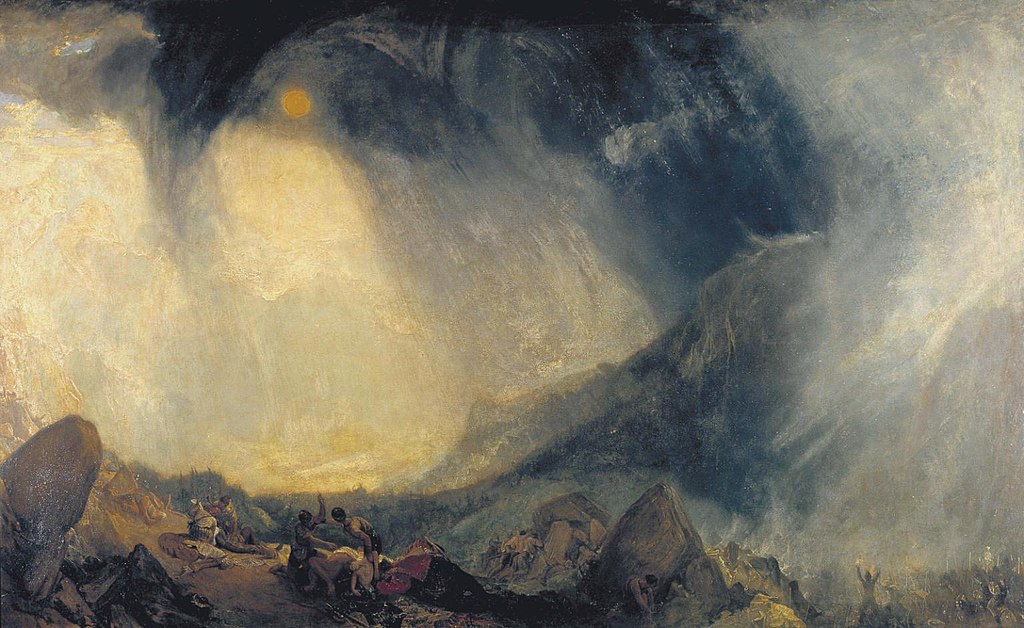
The interplay of light and shadow carries meaning too. Dramatic chiaroscuro—strong contrasts between light and dark—can symbolize the struggle between good and evil, knowledge and ignorance, or the divine breaking into the earthly realm. Soft, diffused light might suggest intimacy, tenderness, or spiritual revelation.
Understanding symbolism in painting doesn’t diminish art’s mystery—it deepens it. These visual codes connect us to centuries of artistic conversation, where each generation of painters draws on, responds to, and reinvents the symbols that came before. When we recognize an apple’s dual nature or understand why an artist chose magnolias rather than roses, we participate more fully in the artwork’s meaning.
The next time you visit a gallery or contemplate a painting, look beyond the surface. Ask yourself why the artist included specific elements. What might that bird represent? Why these particular flowers? This curiosity transforms passive viewing into active dialogue with the artwork, enriching our experience and understanding of fine art’s enduring power to communicate across time and culture.